

When most people think about health, they think about symptoms—pain, fatigue, headaches, digestive problems, poor sleep. But symptoms are not the problem in themselves. They are signals, a window into how well (or poorly) the body is coping with the demands of life.
At Launch Chiropractic, we use neurological assessments to go deeper than symptoms. These scans give us a clear picture of how the nervous system is functioning, where it’s struggling, and which stage of neurological dysfunction someone is in. This is what we call a neuro assessment, and the neuro checks we use go far beyond what a standard health screening captures. Without this information, it’s nearly impossible to set realistic expectations about what care can achieve—or how long it will take.
The 3 Levels of Neurological Dysfunction
Every nervous system responds to stress in different ways. Over time, if that stress isn’t balanced or released, the system can become “stuck” in maladaptive patterns. These patterns tend to fall into three broad stages:
Stage 1: Sympathetic Dominance
The nervous system is stuck in “gas pedal” mode—high alert, fight-or-flight. This looks like muscle tightness, shallow breathing, elevated heart rate, higher blood pressure, poor digestion, and restless sleep. Energy is spent surviving, not thriving.
- In adults, this often shows up as tension headaches, tight shoulders, and poor recovery from workouts.
- In kids, sympathetic dominance may show up as difficulty settling, trouble sleeping through the night, or recurring digestive issues like constipation or reflux.
Stage 2: Neurological Confusion and Incoordination
Here the nervous system becomes inconsistent. Some areas may be overactive while others underperform, creating disorganization—like static in the communication lines between the brain and body.
- In adults, this can look like poor motor control, muscle imbalances, or chronic poor postural patterns that never seem to improve, no matter how much stretching or strengthening is done.
- In children, this may present as delays in rolling, crawling, or walking, clumsy or uncoordinated movement, or incoordination in how they regulate digestion, mood, or sleep cycles.
Stage 3: Neurological Exhaustion
After years of carrying stress, the nervous system can burn out. At this point, the system is no longer overreacting—it’s shutting down. The body struggles to adapt at all.
- In adults, this often looks like chronic fatigue, burnout, immune breakdowns, or long-standing pain that seems resistant to all interventions.
- In kids, exhaustion may appear as failure to thrive, ongoing immune challenges, or extreme difficulty calming their bodies and emotions.
Knowing which stage you or your child are in is essential for building the right care plan. It determines not just what needs to be addressed, but how much care, time, or frequency may be required.
What Happens During a Neuro Assessment at Launch: The 3 Scans We Use to Measure Nervous System Health
To determine your starting point, we use a combination of three advanced, non-invasive neurological scans. Each one highlights a different layer of function:
1. Heart Rate Variability (HRV) – Adaptability
HRV measures how adaptable your nervous system is. Can your body easily switch between stress mode (sympathetic) and recovery mode (parasympathetic)?
- A flexible HRV pattern shows resilience.
- A flat, rigid pattern suggests your body is stuck and less able to bounce back.
Example: In adults, low HRV often correlates with burnout, sleep troubles, or high blood pressure. In kids, it might look like hyper-reactivity (always “on”) or exhaustion (always “off”), with very little in-between.
2. Surface EMG (sEMG) – Energy Usage & Efficiency
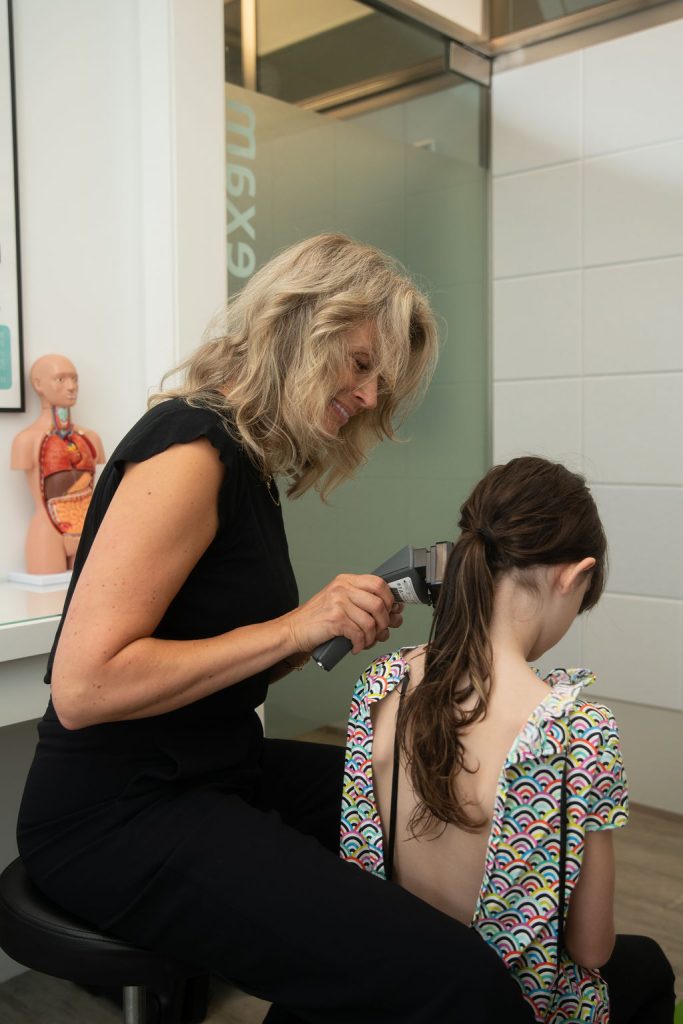
This scan measures the small muscles that stabilize and coordinate the movement of the spine. Their main job is to act as mechanoreceptors for the brain to sense where you are in space. The larger muscles that you can move and feel are often compensating for inefficiencies or imbalances in these small muscles.
- In adults, this often shows up as uneven muscle activity across the spine, poor posture, or recurring muscle strain despite regular exercise or treatment.
- In kids, this may reflect delayed motor development, awkward or inefficient movement patterns, or even clumsiness in everyday play.
3. Thermography – Organ & Gland Balance (Autoregulation)
This scan tracks temperature patterns along the spine, showing how well the nervous system is regulating communication to organs and glands.
Imbalances here signal stress on deeper systems like digestion, immune function, or hormone balance.
- In adults, this doesn’t point to a specific condition or symptom but indicates that stress has been affecting how the body functions at a deeper level over time.
- In kids, we often see signs like reflux, colic, chronic ear infections, or difficulty regulating digestion and sleep.
Together, these three scans give us a map of how the nervous system is adapting, coordinating, and regulating.
Symptoms Are Just the Messenger
It’s important to reframe symptoms. Pain, fatigue, or digestive upset are not the core problems—they’re signals that the body is at or beyond its coping capacity.
We like to say PAIN = Pay Attention Inside Now.
Symptoms are the body’s way of asking for help, letting you know that something needs to change. Ignoring them—or just covering them up—doesn’t address the underlying dysfunction in the nervous system.
Stress Is More Than Just a Feeling
When people hear “stress,” they usually think of emotional overwhelm. But stress is any demand that shifts the nervous system into survival mode. That includes:
- Poor posture and repetitive strain
- Lack of sleep
- Infections or illness
- Emotional strain
- Environmental toxins
- Even birth trauma in infants
When stress stacks up, the nervous system flips into gas pedal mode: faster heart rate, higher cortisol and cholesterol, shallow breathing, muted digestion and healing, lowered immunity. If the “brake pedal” side of the nervous system isn’t able to activate, the problem compounds, leading to dysfunction and eventually exhaustion.
Why Kids and Adults Can Look So Different on Scans
Younger kids often don’t have the chronic physical stress that adults do. But they can still show signs of dysregulation. Maternal stress during pregnancy or birth trauma can set the stage early. In children, this may look less like pain and more like:
- Trouble sleeping or self-soothing
- Digestive issues (colic, constipation, reflux)
- Latching or feeding struggles
- Developmental delays in movement milestones
- Emotional dysregulation or difficulty focusing
Adults, on the other hand, may show years of accumulated stress. Chronic back pain, migraines, poor motor control, or muscle imbalances often reveal deeper dysfunction that’s been building for decades. Their scans may show more ingrained patterns of inefficiency or exhaustion that require longer-term care to rebuild.
Why This Matters Before Starting Care
Knowing your neurological baseline is the key to creating a care plan that makes sense for your body. If someone is in Stage 1, their nervous system may respond more quickly to adjustments. But in Stage 3, where exhaustion has set in, it often takes more time, frequency, or support to restore balance and function.
Without this clarity, people risk setting unrealistic expectations—or worse, pursuing interventions that don’t address the root cause of their health challenges.
Stop Guessing. Start Measuring. Your Nervous System Health Starts With Knowing Your Baseline
Symptoms tell part of the story, but neurological scans reveal the why. By understanding whether someone is stuck in sympathetic dominance, struggling with neurological confusion, or depleted in exhaustion, we can match care to their body’s true needs.
When the nervous system is measured, mapped, and cared for appropriately, the results go far beyond symptom relief. They set the stage for better adaptability, healthier growth, and a stronger foundation for lifelong health. That’s the goal of nervous system health care at Launch — not just symptom relief, but a clearer, more resilient system that can meet the demands of your life.
Frequently Asked Questions About Neurological Assessments
What is a neurological assessment?
A neurological assessment is a non-invasive evaluation of how well your nervous system is functioning. At Launch, we use three advanced scans, HRV, sEMG, and thermography, to measure adaptability, energy efficiency, and organ regulation.
What do neuro checks measure?
Our neuro checks measure three layers of nervous system function: how adaptable your stress response is, how efficiently your muscles are using energy, and how well your nervous system is regulating blood flow to your organs and glands.
What is neurological dysfunction?
Neurological dysfunction refers to a nervous system that has become stuck in maladaptive patterns due to accumulated stress. It can range from sympathetic dominance (stuck in high alert) to neurological exhaustion (unable to adapt at all).
Who should get a neuro assessment?
Anyone experiencing symptoms that haven’t responded to other care, or who wants to understand the root cause of what their body is signalling, can benefit from a neuro assessment, including infants and children.